
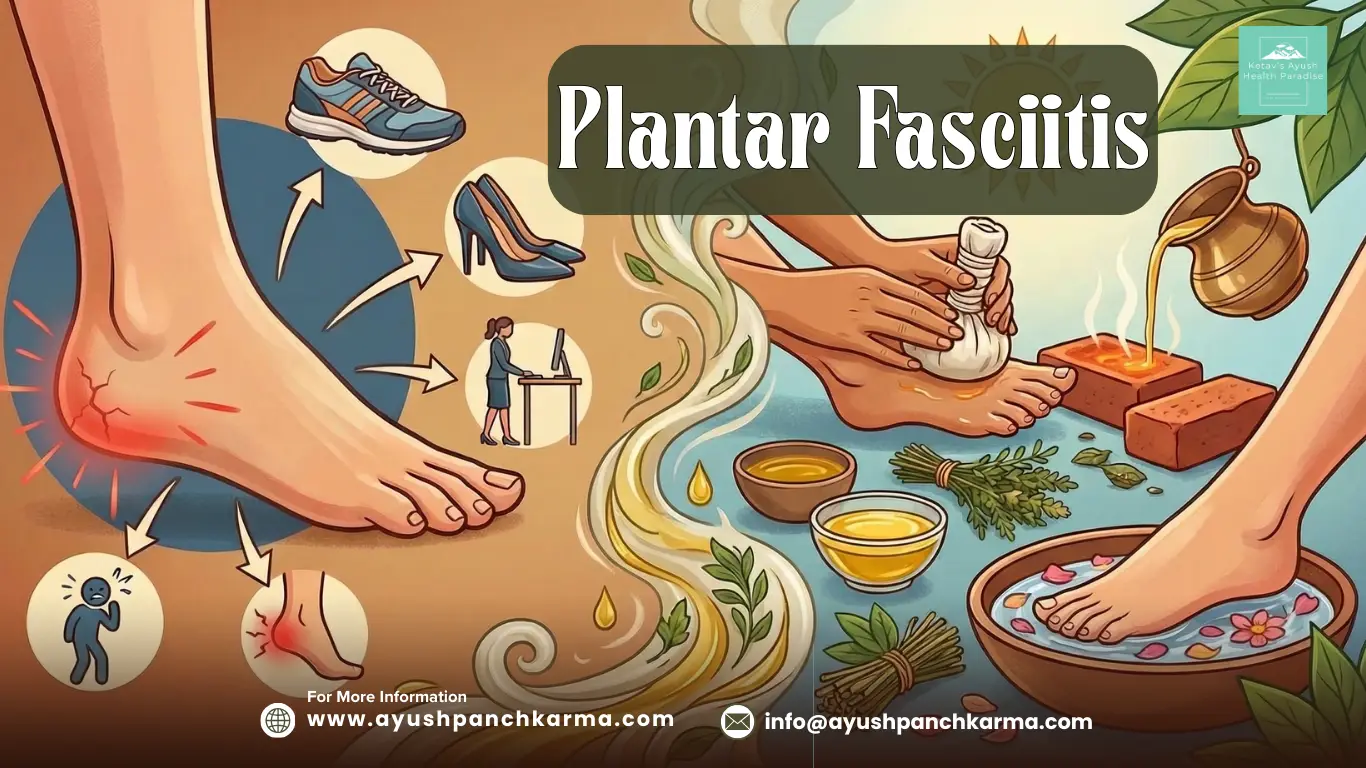
Plantar fasciitis is an inflammation of the plantar fascia, a fibrous tissue present at the bottom of foot that connects heel bone to the toes. Plantar fasciitis, a common cause of heel pain. It may lead to a debilitating condition of foot. Planter fascia is a think band kind of ligament, that get inflamed and cause pain, swelling, and stiffness. It may get better with icing, rest, supportive braces, and over-the-counter pain relief agents. If pain doesn’t improve, or if it is frequent then one should take proper treatment otherwise it can become a life time trouble.
What is Plantar Fasciitis?
Plantar Fasciitis has become one of the most common orthopedic complaints worldwide — and its prevalence is rising fast. The plantar fascia is a thick band of connective tissue running along the bottom of the foot, connecting the heel bone to the toes. When this ligament experiences repetitive stress and micro-tears from daily wear and tear, it becomes inflamed, resulting in the debilitating heel pain characteristic of Plantar Fasciitis.
Modern lifestyle factors significantly contribute to this condition — fast-paced daily routines, prolonged standing, lack of rest, poor footwear choices (especially high heels and flat-soled shoes with poor arch support), and insufficient physical exercise all place excessive strain on the plantar fascia.
The good news is that Ayurvedic treatment for Plantar Fasciitis offers a path to lasting, permanent relief — not just temporary symptom suppression. In many cases, our specialised Ayurvedic therapies at Ayush Panchkarma can resolve the condition entirely. In cases where the root cause cannot be fully corrected, Ayurvedic diet and lifestyle modifications help prevent recurrence and significantly reduce pain.
Signs and Symptoms of Plantar Fasciitis
Plantar Fasciitis presents with a distinct and recognisable pattern of symptoms:
- Intense heel pain when standing up after a period of rest — especially the first steps in the morning
- A dull, constant ache once the pain is triggered and persisting throughout the day
- Sharp or stabbing pain when direct pressure is applied to the heel
- Temporary pain relief with stretching or light exercise, returning after activity stops
If you recognise these symptoms, early intervention is key to preventing complications. Book a free consultation with Dr. Seema Santoshi to begin your assessment.
Complications of Untreated Plantar Fasciitis
When Plantar Fasciitis is left untreated or managed only with short-term measures like steroid injections, it can progress to more serious complications:
- Tendon rupture — particularly when corticosteroid injections are repeatedly employed
- Fat pad necrosis (degeneration of the heel's natural cushioning)
- Flattening of the foot arch
- Gait abnormalities due to compensatory walking patterns
- Secondary problems in the foot, knee, hip, and lower back arising from altered posture and weight distribution
These downstream complications make it clear why addressing the root cause early — rather than masking pain — is the wiser approach.
Risk Factors for Plantar Fasciitis
While Plantar Fasciitis is strongly associated with runners and older adults, anyone can develop this condition. Key risk factors include:
- Obesity and excess body weight placing stress on the heel
- Heel pad atrophy with advancing age
- Occupations requiring prolonged standing (teachers, healthcare workers, factory workers)
- High-arched feet or flat feet (pes planus)
- Tight Achilles tendons reducing ankle flexibility
- Footwear with soft soles and poor arch support
- Excessive weight-bearing activities without adequate rest
Managing these risk factors through Ayurvedic diet, lifestyle guidance, and Prakriti-based recommendations is a cornerstone of our approach at Ayush Panchkarma. Our customised Panchakarma retreat programmes include personalised lifestyle and dietary counselling as a core component.
Conventional Treatment — and Its Limitations
Standard medical management of Plantar Fasciitis is largely non-operative, with 90–95% of patients experiencing symptom resolution through: activity modification, physiotherapy, stretching exercises, orthotic shoe inserts, pain relievers, ice application, and corticosteroid injections. In persistent cases, surgical intervention may be considered.
However, these approaches primarily address the symptoms of Plantar Fasciitis rather than its underlying causes. Repeated steroid injections carry significant risks — including tendon rupture and fat pad necrosis, as noted above. Surgery carries its own complications and recovery burden.
Ayurvedic Panchakarma therapy offers a compelling alternative — working from the root to correct the pathology, restore tissue health, and provide long-lasting relief from heel pain without harmful side effects.
Ayurvedic Understanding of Plantar Fasciitis — Vatakantaka
In classical Ayurveda, Plantar Fasciitis is correlated with Vatakantaka — literally "Vata thorn" — a condition arising from the vitiation (imbalance) of Vata Dosha, often compounded by Kapha Dosha involvement.
When causative factors (poor diet, overexertion, cold and dry environments, sedentary habits) aggravate Vata, the vitiated Dosha — alone or together with Kapha — becomes lodged in the tissues of the heel. This leads to inflammation, stiffness, and the characteristic sharp, stinging pain of Plantar Fasciitis. If left untreated, the condition deepens into the tissues and becomes progressively harder to reverse.
At Ketav's Ayush Health Paradise, our treatment begins with a thorough Prakriti analysis via Nadi Pariksha (Ayurvedic pulse diagnosis) to identify the specific Dosha imbalances and causative factors unique to each patient. Treatment then follows the principle of Nidan Parivarjana — systematically eliminating the root causes of the pathology before applying corrective therapies. Learn more about our diagnostic approach here.
Specialised Ayurvedic Therapies for Plantar Fasciitis
Our classical Ayurvedic therapies for Plantar Fasciitis are selected and sequenced based on each patient's Prakriti, Dosha dominance, and disease severity. Commonly employed therapies include:
Pada Abhyanga (Herbal Foot and Calf Massage)
A traditional Ayurvedic massage technique using warm medicated herbal oils applied to the foot and calf muscles. Pada Abhyanga improves local blood circulation, reduces stiffness and inflammation, eases pain, and directly corrects the underlying Vata Dosha imbalance driving the condition.
Ishtar Swedana (Medicated Fomentation Therapy)
A specialised fomentation (heat) therapy in which controlled heat is applied using heated bricks and medicated sour liquids. This targeted therapy reduces inflammation, enhances blood flow to the heel, and provides significant pain relief by opening the channels (Srotas) of the affected area.
Avagaha Therapy (Medicated Foot Soak)
This therapy involves soaking the affected foot in warm herbal oils, decoctions, or fermented preparations (such as Kanjika) for a prescribed duration. Avagaha effectively alleviates heel pain and discomfort while nourishing the deep connective tissues of the plantar fascia.
Dhara Therapy (Medicated Liquid Pouring)
A uniquely soothing procedure in which medicated liquid is gently and continuously poured over the affected heel and foot. Dhara provides immediate relief in acute, painful presentations and promotes progressive tissue healing in chronic cases.
Upnaha and Pinda Therapy (Herbal Poultice and Bandaging)
These are classical Ayurvedic bandaging and poultice therapies in which herbal pastes or medicated mixtures are applied directly to the skin and secured with a bandage. These therapies penetrate deeply into the affected connective tissue layers, supporting comprehensive healing of the plantar fascia and surrounding structures.
Agni Karma (Therapeutic Cauterisation)
A highly specialised Ayurvedic procedure involving controlled, precise cauterisation using an Agni Karma instrument (Yantra) crafted from specific metals. Agni Karma works as a powerful stimulant therapy — activating local circulation, stimulating nerve endings, and effectively resolving deep-seated chronic pain in cases that have not responded adequately to other therapies.
Holistic Support — Medicines, Diet & Yoga
Alongside these specialised therapies, every treatment plan at Ayush Panchkarma integrates:
- Shamana Aushadhis — classical oral Ayurvedic herbal formulations to control inflammation, support tissue repair, and balance Vata internally
- Ahara-Vihara — a personalised Prakriti-based therapeutic diet and daily routine to support healing and prevent recurrence
- Yoga and Pranayama — targeted yoga asanas and breathing exercises to improve flexibility, strengthen supporting musculature, and correct biomechanical imbalances
Our customised yoga and meditation programmes are available as part of all retreat packages and are a proven adjunct to Ayurvedic therapies for musculoskeletal conditions.
Treatment Duration and Programme Options
With the above Ayurvedic specialised therapies, Plantar Fasciitis can be effectively managed — helping patients avoid steroid injections, surgery, and progressive complications entirely.
Treatment duration at Ayush Panchkarma ranges from one week to one month, depending on the severity and chronicity of the condition. Our experienced team will recommend the appropriate programme duration following your initial consultation and assessment.
For residential programmes, explore our comfortable homestay facility in Palampur — offering Ayurvedic meals, clean Himalayan air, and a peaceful daily routine that accelerates healing. View our Panchakarma packages to find the programme that suits your needs.
Take pain-free steps again with Ketav's Ayush Health Paradise.
Book Your Free Consultation Today | Call: +91 8894356919