
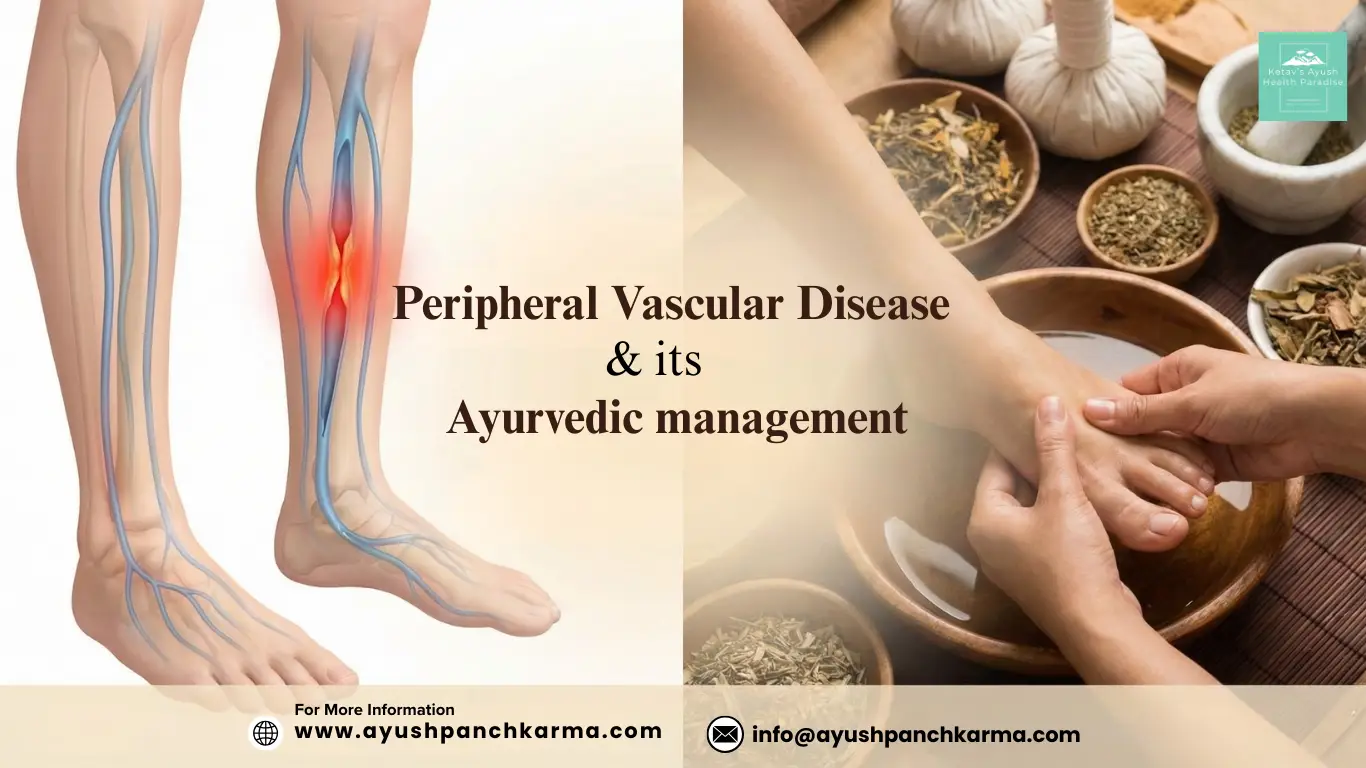
Peripheral vascular disease (PVD), commonly called (PAD) peripheral arterial disease or peripheral artery occlusive disease (PAOD), is characterized by compromised circulation in the areas supplied by the affected vessel or artery. It affects the vessels or arteries of peripheral parts of the body, hence known as peripheral vascular or arterial disease. This disease develops as a result of gradual narrowing of the vessels/ arteries due to atherosclerosis or inflammatory conditions, or thrombus formation, further cause lack of ischemic condition to the areas.
This compromised circulation leads to pain while walking which get better with rest, this is called claudication. Claudication, either intermittent or progressive, is the common presenting symptom of compromised circulation. A persistent circulatory compromise for prolonged periods may give rise to physical signs such as muscular and dermal atrophy and atrophic nail changes in the affected limb.
Causes;
Peripheral vascular disease is manifested when there is occlusion of the arteries of limbs, and Atherosclerosis is considered to be the most common cause of peripheral vascular disease.
There are few risk factors that can precipitate the peripheral artery disease include:
- Age more than 50 years
- Smoking
- Obesity
- Diabetes
- High blood pressure
- High cholesterol
- Family history
- Inflammation of the vessels
- Sedentary life style
- Unhealthy food habits
Sign and symptoms:
Occlusion of the vessels due to Atherosclerotic plaques restricted flow of blood to the tissues, that cause ischemia in the peripheral area leading to rest pain, cold feeling of the limbs, decease in distal pulse, numbness, tingling or weakness in the limb, discolouration of the skin of respected area and sometime poor circulation leads to ulceration also.
Ayurveda view and management;
Body has its own equilibrium of as per individual constitution. There is a balance between Doshas, Dhatus, Agni and Malas.Doshas that are present in the body vata, pitta and kapha, Dhatus - are tissues, organ and organ systems, Agni- is digestive fire (grocer level), metabolism (subtler level) and mala- are metabolic wastes and other toxic substance; must be in a balanced state in order to keep a person healthy. When this equilibrium gets disturbed due to any of internal or external factors it leads to disease formation.
Due to the causes, aggravated dosha form ama toxin) which further vitiated the tissues (blood vessels in this context) and produce pathology (atherosclerotic plague) that causes narrowing of the vessels and decrease the flow of the blood results into PVD.
According to Ayurved every patient having different prakrity, so according to that every patient need specific approach of treatment considering the individual prakrity, cause of disease, severity and considering other health conditions. In all the cases the main aim of the treatment is to improve the blood supply to the extremities and prevent the cell damage. Ayurvedic Panchkarma therapies along with specialized Ayurvedic oral formulation helps to achieve the desired results. Along with these other practices, like yoga, breathing exercises, avoiding the cause, diet and life style modifications also play a significant role.
Ayurveda rasayana therapies after the cleansing process may help to improve the elasticity of the vessels. Which may be a slow process, but Ayurveda therapies on the right time and avoiding the causative factors will certainly help the prevent progression and further complications.
Here at Ketav’s Ayush Health Paradise we have planned therapy plan for 21 days. Along with the therapies and medication, we guide the patients to do kind of life style and diet modifications to stay healthy.
By; Dr. Seema Santoshi