
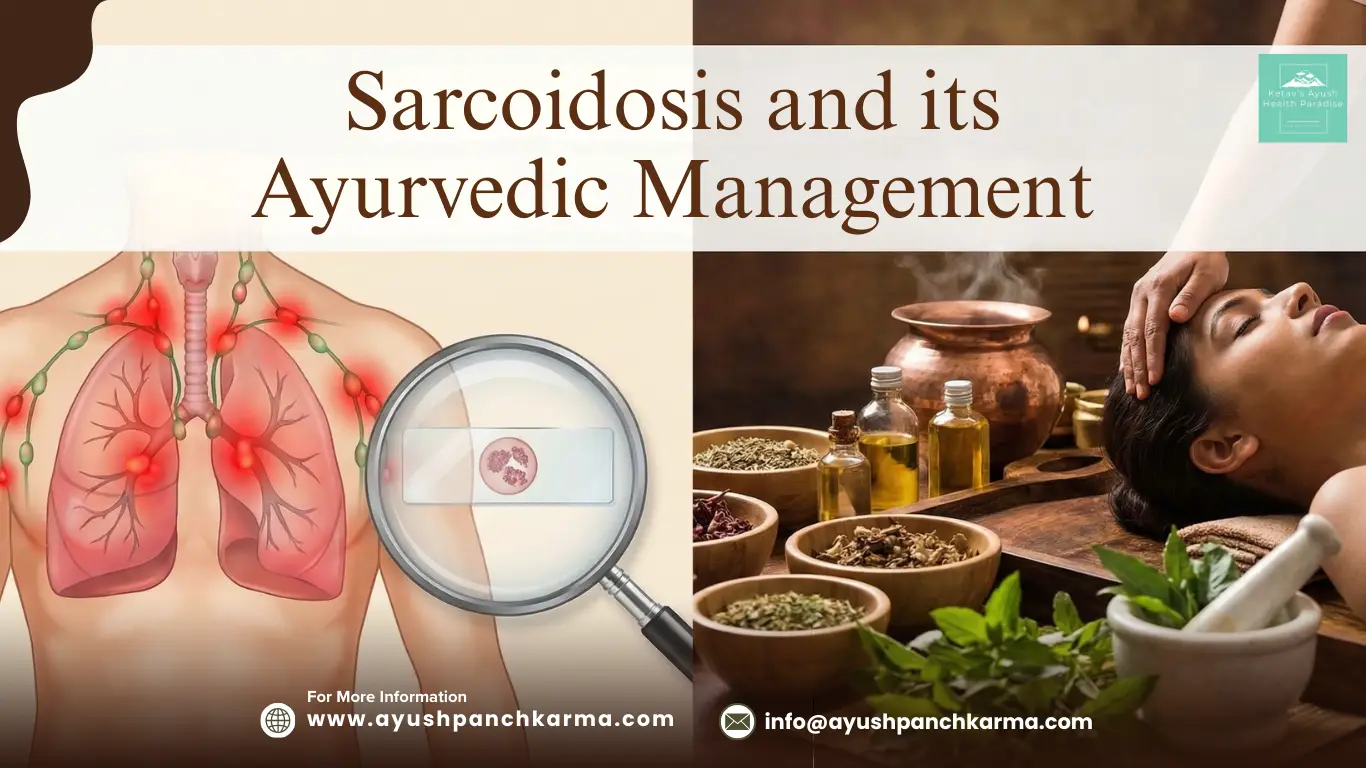
It is a chronic disease characterized by inflammatory growths or enlarged lymph nodes in the different parts of the body. The growths can be seen all over the body or in a particular area inside the body. The most common sites are lungs, lymph nodes, skin and liver. But it can also affect the eyes, heart and other organs.
What is Sarcoidosis?
Sarcoidosis is a chronic inflammatory disease characterised by the growth of tiny clusters of inflammatory cells called granulomas in various organs of the body — most commonly the lungs and lymph nodes. The exact causes of Sarcoidosis remain unknown; however, several studies suggest it may arise secondary to infections, chemical exposure, or autoimmune dysfunction.
Sarcoidosis may persist for years and silently damage vital organs, while in some cases it may resolve on its own without treatment. Because the signs and symptoms vary widely depending on which organs are involved, Sarcoidosis is often called the "great imitator" — making early and accurate diagnosis critical.
If you or a loved one has been diagnosed with Sarcoidosis and are exploring natural, holistic treatment options, our specialised Ayurvedic treatments at Ayush Panchkarma offer an individualized approach to managing this complex condition.
Signs and Symptoms of Sarcoidosis
The signs and symptoms of Sarcoidosis differ based on the organ or system affected. Commonly reported symptoms include:
- Swollen lymph nodes (most characteristic finding)
- Persistent fatigue and malaise
- Unexplained weight loss
- Shortness of breath and chest discomfort
- Fever and night sweats
- Fainting or dizziness
- Cognitive difficulties and brain fog
- Irritability and mood disturbances
- Pain in joints or muscles
Because these symptoms overlap with many other conditions, Sarcoidosis frequently goes undiagnosed or misdiagnosed for years. A comprehensive evaluation, like our Nadi Pariksha (pulse diagnosis) and Prakriti assessment, helps identify the deeper imbalances driving the inflammatory process.
Diagnosis of Sarcoidosis
Standard medical diagnosis of Sarcoidosis involves:
- Chest X-ray or CT scan — revealing bilateral hilar lymphadenopathy (enlarged lymph nodes at the root of the lungs), a hallmark of pulmonary Sarcoidosis
- Bronchoalveolar lavage (BAL) — showing elevated T-cell counts in the lungs, indicating an overactive immune response
- Biopsy — the most confirmatory diagnostic method, identifying non-caseating granulomas in tissue samples
Early diagnosis allows for timely intervention — both conventional and Ayurvedic — to prevent organ damage and disease progression.
Complications of Untreated Sarcoidosis
When Sarcoidosis persists for a prolonged period without effective management, it can lead to serious long-term complications, including:
- Lung infections and progressive pulmonary fibrosis
- Cataract and glaucoma (eye involvement)
- Kidney failure due to hypercalcaemia
- Liver disorders and hepatic granulomas
- Heart problems including arrhythmias and heart block
- Facial paralysis (neurosarcoidosis)
- Infertility in both men and women
This makes long-term, root-cause management — not just symptom suppression — absolutely essential.
Limitations of Conventional Treatment for Sarcoidosis
The standard medical approach to Sarcoidosis focuses on suppressing inflammation using anti-inflammatory medicines and corticosteroids (steroids). While these provide short-term relief, long-term use carries significant risks:
- Immune suppression and increased infection risk
- Osteoporosis and bone loss
- Weight gain, diabetes, and hormonal disruption
- Adrenal gland dysfunction
In many cases, the side effects of long-term steroid use can be more harmful than the disease itself. This is precisely where Ayurvedic Panchakarma therapy offers a compelling, safer alternative — by working on removing or alleviating the root cause of inflammation, rather than simply masking it.
Ayurvedic Understanding of Sarcoidosis
In Ayurveda, Sarcoidosis can be understood as a condition rooted in Ama (toxic accumulation), Dosha imbalance (primarily Pitta and Vata), and compromised Ojas (immune vitality). The inflammatory granulomas are seen as the body's response to persistent toxic burden and immune dysregulation.
Ayurveda's holistic diagnostic system evaluates each patient based on:
- Nadi Pariksha — pulse diagnosis to detect Dosha imbalances
- Prakriti — individual constitutional type
- Agni — digestive and metabolic strength
- Bala — physical strength and resilience
- Satmya — individual adaptability
- Ojas — immune reserve and vitality
This thorough evaluation ensures that the Ayurvedic treatment for Sarcoidosis is truly personalized to each patient — because no two patients are the same.
Learn more about how we approach diagnosis at our centre: Our Panchakarma Process.
Ayurvedic Treatment for Sarcoidosis at Ayush Panchkarma
At Ketav's Ayush Health Paradise, Palampur, we employ both Shodhana (detoxification) and Shamana (palliative) Ayurvedic therapies for Sarcoidosis, tailored to the individual patient's condition and stage of disease.
Phase 1 — Preparation (Purvakarma)
Before initiating main detoxification therapies, the body is systematically prepared through:
- Deepana — kindling the digestive fire (Agni)
- Pachana — burning and processing accumulated Ama (toxins)
- Snehana — internal and external oleation using medicated oils and ghee
This preparatory phase is critical for ensuring that subsequent detoxification is safe and effective.
Phase 2 — Detoxification (Shodhana / Panchakarma)
Our classical Panchakarma treatments — which may include Vamana (therapeutic emesis), Virechana (purgation), Basti (medicated enemas), Nasya (nasal administration), and Raktamokshana (blood purification) — are selected based on the predominant Dosha involvement in the disease pathology.
The choice and sequence of these Ayurvedic detox therapies is decided only after a thorough patient assessment — reflecting the truly individualized nature of classical Panchakarma.
Phase 3 — Healing and Rejuvenation (Rasayana)
Once the body is freed from accumulated toxins, Rasayana (rejuvenation) therapies are administered to:
- Reset the body's natural Dosha balance
- Boost metabolism and strengthen the immune system
- Repair and rejuvenate affected organ tissues
- Rebuild Ojas (immune vitality)
Explore our Rasayana treatment programmes designed for deep immune restoration.
Holistic Approach — Beyond Therapies
For autoimmune conditions like Sarcoidosis, diet and lifestyle play an equally significant role in healing. Our holistic protocol at Ayush Panchkarma integrates:
- Shamana Aushadhis — classical Ayurvedic oral herbal medicines to control inflammation naturally
- Ahara-Vihara — a personalised Prakriti-based therapeutic diet and daily routine prepared fresh in our in-house kitchen
- Yoga and Pranayama — breathing exercises and therapeutic yoga asanas to support lung function, immune regulation, and stress reduction
- Dhyana (Meditation) — to address the mind-body connection central to autoimmune healing
Our customised yoga and meditation programmes are woven into every treatment plan as a non-negotiable element of recovery.
Our 21-Day Ayurvedic Treatment Plan for Sarcoidosis
The duration of Ayurvedic treatment for Sarcoidosis varies based on disease severity and organ involvement. However, as a general guideline, we recommend a 21-day residential Panchakarma programme for the first treatment sitting in all cases.
This structured plan includes:
- Comprehensive Prakriti and Nadi Pariksha assessment
- Personalised Shodhana (detox) and Shamana (palliative) therapies
- Classical Ayurvedic oral medications
- Prakriti-specific therapeutic meals, prepared fresh daily
- Guided yoga, Pranayama, and meditation sessions
- Lifestyle and dietary counselling for long-term self-management
Our peaceful centre in Palampur, Himachal Pradesh — surrounded by Himalayan tea gardens and clean mountain air — creates the ideal environment for deep healing and immune restoration. For extended programmes, explore our homestay facility for a comfortable, home-like stay on the premises.
Book a free consultation with Dr. Seema Santoshi today and begin your journey toward natural, root-cause healing from Sarcoidosis.