
Book Your Consultation Ready to experience authentic Himalayan Ayurveda? Contact Ayush Panchkarma to begin your personalized treatment journey. Located in Gopalpur, Palampur, Himachal Pradesh — in the pristine foothills of the Himalayas. Website: ayushpanchkarma.com | Email: doctor@ayushpanchkarma.com | WhatsApp: +91-8894356919
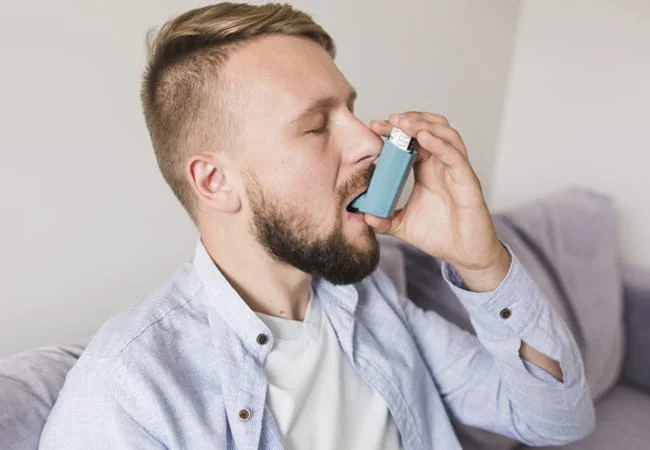
Asthma is a chronic inflammatory respiratory condition that affects millions of people worldwide. While conventional medicine offers inhalers and corticosteroids to manage symptoms, Asthma Ayurvedic treatment offers a complementary, holistic approach focused on supporting overall respiratory wellbeing. Rooted in over 5,000 years of ancient Indian medical wisdom, Ayurvedic support for bronchial asthma aims to help restore doshic balance, support detoxification of the respiratory tract, and strengthen overall immunity. Please note: Ayurvedic therapies are intended to complement — not replace — your existing prescribed medical treatment. Always consult your physician before making any changes to your medication.
At Ayush Panchkarma, nestled in the pristine foothills of the Himalayas in Palampur, Himachal Pradesh, we offer authentic and personalised Ayurvedic support for asthma that combines classical Panchakarma detox therapies, time-tested herbal formulations, Ayurvedic dietary protocols, and lifestyle modifications. Whether you suffer from allergic asthma, occupational asthma, exercise-induced bronchoconstriction, or childhood asthma, our holistic approach is designed to support respiratory health and overall wellbeing alongside your medical care.
| Ready to Breathe Freely? Book Your Ayurvedic Consultation at Ayush Panchkarma, Gopalpur, Palampur, HP. Website: ayushpanchkarma.com | WhatsApp: +91-8894356919 |
What Is Asthma? Understanding the Condition
Asthma is a long-term condition where the airways in the lungs become narrow, swollen, and produce excess mucus. This makes breathing difficult and triggers coughing, wheezing, and shortness of breath. Medically classified as a chronic obstructive airway disease, asthma attacks can be triggered by allergens, pollution, cold air, physical exertion, respiratory infections, and emotional stress.
In Ayurvedic pathology (samprapti), asthma — known as Shwasa Roga — is primarily understood as a Vata-Kapha disorder. Aggravated Vata (the air-and-space principle) and Kapha (the water-and-earth principle) together obstruct the pranavaha srotas (the respiratory channels), creating symptoms ranging from mild wheezing to severe breathlessness. The condition is further worsened by the accumulation of Ama (metabolic toxins) resulting from impaired Agni (digestive fire).
Types of Asthma Recognised in Ayurveda
- Vataja Shwasa: Dry cough, difficulty breathing, associated with Vata imbalance and anxiety.
- Kaphaja Shwasa: Heavy mucus, wheezing, sluggishness — the most common type in clinical practice.
- Pittaja Shwasa: Burning sensation in chest, yellow phlegm, associated with inflammation and heat.
- Tamaka Shwasa (Bronchial Asthma): The classical Ayurvedic equivalent of modern bronchial asthma — the most challenging and frequently treated type.
- Maha Shwasa and Urdhva Shwasa: Severe and life-threatening forms described in classical texts.
Root Causes of Asthma According to Ayurveda
Understanding what causes asthma is the first step toward effective natural treatment. Ayurveda identifies both external triggers (nidana) and internal imbalances as contributing factors to the development of Shwasa Roga. A personalised Asthma Ayurvedic treatment plan must address all relevant causative factors.
Common Triggers and Causative Factors
- Environmental Allergens: Dust mites, pollen, mould, pet dander, and smoke are leading triggers. Air pollution — especially particulate matter in urban areas — significantly aggravates respiratory inflammation and Kapha accumulation.
- Weak Digestive Fire (Mandagni): Poor digestion is considered a root cause of asthma in Ayurveda. When Agni (digestive fire) is weak, undigested food (Ama) accumulates in the gut and circulates to the lungs, clogging respiratory channels.
- Genetic Predisposition (Bija Dosha): A family history of asthma, allergies, or eczema increases susceptibility.
- Seasonal Changes: Cold and damp weather especially aggravates Kapha, making winter and monsoon seasons particularly challenging for asthma sufferers.
- Dietary Habits: Excessive consumption of cold, heavy, oily, or dairy-rich foods increases Kapha, worsening mucus production. Cold beverages and ice cream are common dietary triggers.
- Sedentary Lifestyle: Lack of physical activity leads to Kapha stagnation and reduced lung capacity.
- Emotional Stress and Anxiety: Psychological factors aggravate Vata, making stress management a critical part of any Ayurvedic treatment for asthma.
- Respiratory Infections: Recurring viral or bacterial infections in childhood can predispose individuals to chronic asthma in adulthood.
Recognising the Symptoms of Asthma
The symptoms of asthma vary in severity and frequency. While some people only experience symptoms during physical activity or in the presence of allergens, others live with persistent breathlessness. Recognising early warning signs allows for timely Ayurvedic intervention before the condition worsens.
Primary Symptoms
- Persistent coughing, especially at night or early morning (nocturnal asthma cough)
- Wheezing — a high-pitched whistling sound during exhalation
- Shortness of breath (dyspnea), even with mild physical exertion
- Tightness, heaviness, or pressure in the chest
- Increased mucus or phlegm production
- Breathlessness that worsens with cold air exposure
Secondary and Associated Symptoms
- Fatigue and reduced physical stamina
- Sleep disturbances due to nocturnal breathlessness
- Difficulty speaking in long sentences without pausing for breath
- Anxiety and mood changes triggered by breathing difficulty
- Reduced peak flow meter readings, indicating compromised lung function
- Frequent respiratory infections and colds that linger longer than normal
In Ayurvedic clinical assessment, a practitioner will also evaluate the patient's Prakriti (body constitution), current doshic imbalances, digestive strength, and tongue/pulse diagnosis to build a comprehensive picture before recommending Asthma Ayurvedic treatment.
Asthma Ayurvedic Treatment Methods: A Two-Phase Approach
Effective Ayurvedic treatment for asthma follows a structured two-phase protocol designed to first eliminate deep-rooted toxins and then rebuild respiratory strength.
Phase 1: Shodhana (Purification Therapy)
Shodhana or detoxification is the foundational phase of asthma treatment in Ayurveda. It involves Panchakarma therapies to eliminate accumulated Ama (metabolic toxins) from the body's tissues and respiratory channels. This phase prepares the body to respond optimally to herbal medicines and dietary corrections in the subsequent phase.
Phase 2: Shamana (Palliative Therapy)
Once the body has been cleansed, Shamana therapy focuses on restoring doshic balance using specific herbal formulations, Rasayana (rejuvenating) medicines, dietary changes, and lifestyle recommendations. This phase works to strengthen the immune system, reduce airway hypersensitivity, and prevent asthma attacks from recurring.
Panchakarma for Asthma: The Gold Standard in Ayurvedic Detox
Panchakarma therapy is the cornerstone of Asthma Ayurvedic support at Ayush Panchkarma. This ancient five-action detox program works to systematically support elimination of aggravated doshas from the body's tissues, aiming to purify the pranavaha srotas (respiratory channels) as per Ayurvedic principles.
Panchakarma for asthma is traditionally recommended in a clean, calm environment such as Palampur in Himachal Pradesh, where pure mountain air and Himalayan herbs support the overall healing process. Individual results from Panchakarma therapies may vary depending on the patient's constitution, disease duration, and compliance with the prescribed protocol.
1. Vamana (Therapeutic Emesis) — Kapha Elimination
Vamana is one of the classically recommended Panchakarma treatments for Kapha-type asthma (Kaphaja Shwasa). This controlled therapeutic procedure is preceded by three to seven days of internal oleation (Snehapana) with medicated ghee and external oil massage. On the treatment day, a specific preparation is administered that supports the expulsion of excess Kapha from the stomach and upper respiratory tract as per Ayurvedic principles.
According to Ayurvedic classical texts, Vamana may help address Kapha accumulation in the respiratory tract. Results vary from person to person and depend on individual constitution, disease severity, and adherence to post-procedure protocols. It is typically recommended during the Vasanta (spring) season.
2. Virechana (Therapeutic Purgation) — Pitta and Ama Cleanse
Virechana therapy uses herbal laxative preparations to cleanse the gastrointestinal tract, eliminating excess Pitta and metabolic waste (Ama). Since Ayurveda connects poor digestive health directly to asthma, a thorough cleanse of the gut is a critical step in treating chronic respiratory disease. Virechana reduces systemic inflammation, improves Agni (digestive fire), and reduces the Ama burden that clogs the respiratory channels.
3. Nasya (Nasal Administration of Medicated Oils)
Nasya karma involves the administration of specially prepared herbal oils or powders through the nasal passages. Since the nose is considered the gateway to the brain and respiratory system in Ayurveda, Nasya therapy is exceptionally effective for clearing the sinuses, relieving nasal allergies (allergic rhinitis), and opening up the bronchial pathways.
In the context of Asthma Ayurvedic treatment, Nasya using preparations like Anu Taila, Shadbindu Taila, or medicated cow's ghee helps dissolve accumulated Kapha in the upper respiratory tract, reduce nasal congestion, prevent sinus infections, and improve the quality of breathing. Pratimarsha Nasya — a gentle daily Nasya practice — can be continued at home to maintain the benefits.
4. Basti (Medicated Enema) — Vata Pacification
Basti is considered the king of all Panchakarma treatments due to its unparalleled ability to pacify Vata dosha. Since Vata governs all movement in the body, including the movement of breath, Basti therapy is essential for asthma cases involving breathlessness, dryness, anxiety, and spasmodic airways. Medicated decoction enemas (Kashaya Basti) and oil enemas (Anuvasana Basti) are administered in alternating sequences for best results.
5. Abhyanga and Swedana (Herbal Oil Massage and Steam Therapy)
Abhyanga, the full-body warm herbal oil massage, improves circulation, relaxes the nervous system, and prepares the body for deeper detox. When followed by Swedana (herbal steam therapy), the combination dilates the channels, loosens deep-seated Kapha, and promotes the elimination of toxins through perspiration. For asthma patients, chest-focused Abhyanga with medicated oils such as Dashamoola or Bala Taila provides targeted relief from chest tightness and respiratory muscle tension.
Herbal Medicines in Asthma Ayurvedic Treatment
Ayurvedic pharmacology (Dravyaguna) offers a rich arsenal of respiratory herbs and classical formulations traditionally used as broncho-supportive, expectorant, anti-inflammatory, and immune-supportive preparations. These herbs are used under qualified Ayurvedic supervision as part of a personalised protocol. Individual responses to herbal medicine vary, and all herbal treatment should be taken under the guidance of a qualified practitioner.
Key Ayurvedic Herbs for Asthma
- Vasa (Adhatoda vasica): Known as Malabar nut, Vasa is one of the most widely used herbs in Ayurvedic respiratory medicine. Its alkaloid vasicine acts as a natural bronchodilator and expectorant, effectively clearing mucus from the airways and relieving bronchoconstriction.
- Yashtimadhu (Glycyrrhiza glabra — Licorice): A potent anti-inflammatory and immunomodulatory herb that soothes inflamed airways, reduces mucus production, and supports adrenal health — particularly important for patients weaning off corticosteroids.
- Tulsi (Ocimum sanctum — Holy Basil): Revered in Ayurveda as a rasayana herb, Tulsi possesses powerful antioxidant, anti-allergic, and adaptogenic properties. It reduces mast cell degranulation and histamine release, making it highly effective for allergic asthma.
- Haridra (Curcuma longa — Turmeric): Curcumin, the active compound in turmeric, is one of the most researched natural anti-inflammatory molecules in the world. It inhibits the inflammatory pathways activated in asthma and reduces airway hypersensitivity.
- Pippali (Piper longum — Long Pepper): A respiratory tonic that improves lung capacity, stimulates Agni, and helps dissolve Ama from the respiratory channels. Often used in the classical formulation Trikatu.
- Kantakari (Solanum surattense): Used since ancient times for treating Shwasa and Kasa (cough), Kantakari relaxes bronchial smooth muscle and reduces mucus hypersecretion.
- Shunthi (Zingiber officinale — Ginger): Fresh and dried ginger are powerful Kapha-reducing agents that improve digestion, reduce Ama, and act as natural decongestants.
- Vasavaleha and Chyawanprash: Classical Ayurvedic formulations used as respiratory tonics and Rasayana preparations to rebuild lung immunity and prevent recurrent infections.
Classical Ayurvedic Formulations for Asthma
- Kanakasava: A classical fermented preparation containing Dhattura and other respiratory herbs, prescribed for bronchial asthma and chronic cough.
- Sitopaladi Churna: A fine powder containing sugar candy, Pippali, cardamom, and cinnamon — widely used for cough, bronchitis, and respiratory congestion.
- Talisadi Churna: Used for Kapha-type respiratory conditions with heavy mucus production.
- Dashamoola Kwath: A decoction of ten roots that is a cornerstone of Vata-Kapha respiratory treatment in Ayurveda.
- Agastya Haritaki Rasayana: A Rasayana preparation that strengthens lung tissue, boosts immunity, and prevents asthma relapses.
Ayurvedic Diet for Asthma: Foods to Eat and Avoid
Diet (Ahara) plays a central role in Asthma Ayurvedic treatment. An Ayurvedic diet for asthma aims to reduce Kapha accumulation, improve Agni (digestive fire), and eliminate Ama formation. Following these dietary principles consistently can significantly reduce the frequency and severity of asthma attacks.
Recommended Foods for Asthma Patients
- Warm, freshly cooked, and easily digestible meals — favour light grains like old rice, moong dal, and barley
- Warming spices like ginger, black pepper, turmeric, cumin, and fenugreek — these reduce Kapha and improve digestion
- Garlic and onions — natural expectorants with antimicrobial properties
- Honey — an excellent Kapha-reducing agent with natural antimicrobial activity; best consumed with warm water and herbs
- Pomegranate, papaya, and light seasonal fruits
- Herbal teas made with Tulsi, ginger, and licorice — consumed warm throughout the day
Foods to Avoid for Asthma Management
- Cold foods, cold water, and refrigerated items — these aggravate Kapha and trigger mucus production
- Dairy products — particularly cold milk, ice cream, and yoghurt (curd at night is specifically contraindicated)
- Heavy, oily, and deep-fried foods that slow digestion and increase Ama
- Excessive sugar and processed foods that suppress immune function
- Preserved foods, pickles, and fermented foods that aggravate Pitta and worsen inflammation
- Banana, watermelon, and other cold, heavy fruits during acute episodes
Lifestyle Recommendations for Long-Term Asthma Relief
Pranayama (Breathing Exercises) for Asthma
Pranayama — the yogic science of breath regulation — is one of the most powerful non-pharmacological tools for managing asthma. Regular Pranayama practice strengthens the respiratory muscles, increases lung capacity, calms the nervous system, and reduces airway hypersensitivity.
- Anulom Vilom (Alternate Nostril Breathing): Balances Vata, clears nasal passages, and promotes calm, deep breathing.
- Bhramari (Humming Bee Breath): Reduces anxiety and stress-induced bronchospasm; promotes parasympathetic nervous system activity.
- Kapalabhati (Skull-Shining Breath): Clears accumulated Kapha from the sinuses and lungs (use with caution during acute episodes).
- Dirgha Pranayama (Three-Part Breath): Increases tidal volume and teaches efficient use of full lung capacity.
Yoga Asanas for Respiratory Health
- Setu Bandhasana (Bridge Pose) — opens the chest and improves thoracic breathing
- Matsyasana (Fish Pose) — expands the rib cage and strengthens the intercostal muscles
- Bhujangasana (Cobra Pose) — improves spinal alignment and promotes full breathing
- Viparita Karani (Legs Up the Wall) — promotes lymphatic drainage and relaxation
Daily Routine (Dinacharya) Recommendations
- Wake up before sunrise (Brahma Muhurta) for optimal respiratory function
- Practice oil pulling (Gandusha) with warm sesame oil to reduce oral and sinus bacteria
- Perform Pratimarsha Nasya (daily nasal oiling) with Anu Taila
- Avoid sleeping during the daytime as it increases Kapha
- Keep the living environment clean, dust-free, and well-ventilated
- Use natural, fragrance-free household products to avoid chemical triggers
Why Choose Ayush Panchkarma for Asthma Ayurvedic Treatment?
At Ayush Panchkarma — Ketav's Ayush Health Paradise — located in Gopalpur, Palampur, Himachal Pradesh, we offer a truly personalised and authentic Ayurvedic healing experience. Our centre combines the therapeutic power of Himalayan herbal medicine with classical Panchakarma detox protocols and modern diagnostic understanding.
- Expert Physicians: Our qualified Ayurvedic doctors conduct in-depth consultations including Nadi Pariksha (pulse diagnosis) and personalised Prakriti assessment.
- Authentic Himalayan Panchakarma: All therapies are conducted using traditionally prepared medicated oils, ghees, and herbal decoctions sourced from Himalayan plants.
- Personalised Treatment Plans: No two asthma patients are the same — our treatment protocols are tailored to each individual's doshic constitution and clinical presentation.
- Scenic Healing Environment: The clean mountain air and serene natural environment of Palampur are themselves therapeutic, making your stay a restorative retreat.
- Post-Treatment Support: We provide follow-up guidance, dietary plans, and herbal recommendations to support your continued wellness journey after you return home.
We also offer specialised programmes for associated conditions including allergic rhinitis, chronic bronchitis, COPD, and respiratory immune deficiency. To learn more about our wellness offerings, explore our
Explore our Panchakarma Packages, Classic Ayurvedic Therapies, and All Specialised Treatments to find the right programme for your needs.
Frequently Asked Questions: Asthma Ayurvedic Treatment
Can Ayurveda cure asthma?
Ayurveda does not claim to cure asthma. Our goal is to support better management of symptoms through a holistic, personalised approach that addresses doshic imbalances and overall wellbeing. Some patients report improvements in their quality of life and respiratory comfort over time, but individual results vary significantly. Ayurvedic therapies should always be used alongside — not as a replacement for — prescribed medical treatment. Please consult your doctor before making any changes to your medication.
How long does Ayurvedic treatment for asthma take?
A typical residential Panchakarma programme for asthma spans 14 to 21 days at our centre. This is followed by a prescribed course of herbal medicines lasting 3 to 6 months, with periodic follow-up consultations. Chronic or severe cases may require longer treatment cycles.
Is Ayurvedic treatment safe alongside my existing asthma medication?
Yes — Ayurvedic treatment is generally safe to begin alongside conventional medication. We strongly advise against stopping any prescribed medication without guidance from both your Ayurvedic physician and your allopathic doctor. Our physicians are trained to coordinate integrative care and will advise you on safely tapering medication as your condition improves.
What is the best Panchakarma treatment for asthma?
Vamana (therapeutic emesis) is traditionally considered the most effective single Panchakarma therapy for Kaphaja (mucus-dominant) asthma, as it directly removes excess Kapha from the respiratory system. However, a complete Panchakarma programme incorporating Nasya, Basti, Abhyanga, and Swedana provides the most comprehensive and lasting results.
Can children with asthma receive Ayurvedic treatment?
Yes — children with asthma can benefit greatly from Ayurvedic treatment. However, intensive Panchakarma procedures like Vamana and Virechana are modified or replaced with gentler alternatives (Bala Chikitsa) for paediatric patients. Herbal formulations such as Sitopaladi Churna and Chyawanprash are highly effective and safe for children.
Conclusion: Supporting Respiratory Health with Ayurvedic Wisdom
Asthma is a complex, chronic condition that requires ongoing medical management. Ayurvedic therapies offer a complementary, holistic approach that may support respiratory wellbeing, promote better lifestyle habits, and help the body maintain its natural balance — all alongside your prescribed treatment plan.
Asthma Ayurvedic support at Ayush Panchkarma integrates authentic Panchakarma detoxification, traditionally recommended herbal preparations, dosha-specific dietary guidance, Pranayama, and lifestyle coaching. We invite you to explore how Ayurveda may complement your existing care and support your overall quality of life. Disclaimer: Results vary from person to person. Ayurvedic therapies are not a substitute for medical treatment. Please consult your physician before beginning any new health programme.
Related Treatments: Ayurvedic Skin Treatment | Panchakarma Packages | Book an Appointment | Read Our Ayurveda Blog