
Book Your Consultation Ready to experience authentic Himalayan Ayurveda? Contact Ayush Panchkarma to begin your personalized treatment journey. Located in Gopalpur, Palampur, Himachal Pradesh — in the pristine foothills of the Himalayas. Website: ayushpanchkarma.com | Email: doctor@ayushpanchkarma.com | WhatsApp: +91-8894356919
A Quick, Direct Answer (For Readers in a Hurry)
Jaundice is not a disease in itself — it's a sign that the liver is under stress and bile pigment (bilirubin) is building up in the blood, turning the skin and eyes yellow. In Ayurveda, this condition is called Kamala, and it is treated by correcting the aggravated Pitta dosha, cleansing the liver channels (Yakrit srotas), and supporting bile flow through therapies such as Virechana (therapeutic purgation), liver-specific herbs, and a strict diet protocol. Mild jaundice, especially in infants or from certain infections, often needs close monitoring rather than aggressive treatment. Ayurvedic care works best as a supportive and recovery-focused approach, ideally alongside conventional diagnosis, since some causes of jaundice (blocked bile ducts, hepatitis, liver failure) need urgent medical attention.
What Is Jaundice, Really?
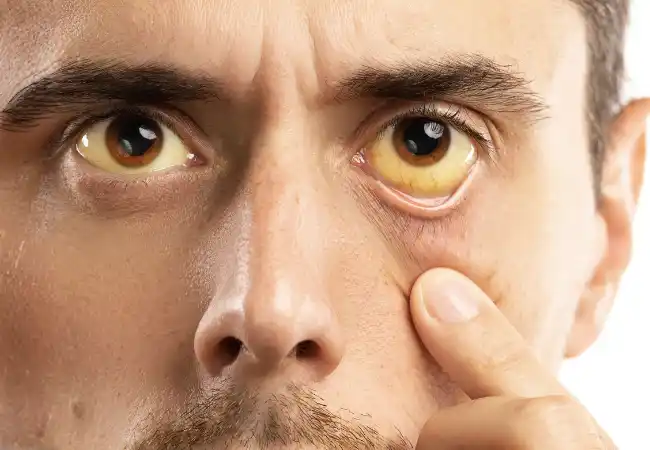
Jaundice happens when bilirubin — a yellow pigment formed when old red blood cells break down — isn't being processed and removed from the body properly. Normally, the liver filters this pigment out and sends it into the intestines through bile. When something disrupts that process, bilirubin builds up in the blood and deposits in the skin, the whites of the eyes, and mucous membranes, giving them that characteristic yellow tinge.
Doctors generally group jaundice into three categories based on where the problem originates:
- Pre-hepatic jaundice — the issue starts before the liver even gets involved, usually because red blood cells are breaking down faster than normal (as in certain types of anemia).
- Hepatic jaundice — the liver itself is damaged or inflamed, so it can't process bilirubin efficiently. Viral hepatitis, alcohol-related liver disease, and fatty liver often fall here.
- Post-hepatic (obstructive) jaundice — bile is produced correctly but can't drain out because something — gallstones, a tumour, scarring — is blocking the bile ducts.
This distinction matters because the treatment approach, including how Ayurveda supports the body, changes depending on which type is at play. A skilled Ayurvedic physician doesn't just treat "yellow skin" — they try to understand why the pigment is accumulating before deciding on the therapy.
Jaundice in the Ayurvedic Framework: Understanding Kamala
Classical Ayurvedic texts like the Charaka Samhita and Sushruta Samhita describe jaundice under the term Kamala, placing it within a broader group of disorders called Pandu Roga (conditions marked by pallor or discoloration, largely tied to blood and liver health).
In Ayurvedic physiology, the liver (Yakrit) is considered the seat of Pitta dosha and is closely tied to Ranjaka Pitta, the sub-type of Pitta responsible for giving blood its color and regulating how nutrients are metabolized. When Pitta becomes vitiated — through poor digestion (Agni dushti), improper diet, alcohol use, infections, or accumulated toxins (Ama) — it disturbs the liver's normal function. This aggravated Pitta then spreads through the body via the blood and lymphatic channels (Rakta and Rasa dhatu), depositing pigment in the skin and eyes.
Two broad sub-types are commonly described:
- Kostha-shakhashrita Kamala — a milder form where the obstruction is largely in the digestive channels and can often be reversed with proper treatment.
- Shakhashrita Kamala (or Ruddha Patha Kamala) — a more advanced form, closer to what modern medicine would call obstructive jaundice, requiring more careful and often longer-term management.
This classification isn't just academic — it directly shapes how aggressive or gentle the treatment plan needs to be.
Common Symptoms We Look For
While yellowing of the skin and eyes is the most obvious sign, jaundice rarely shows up alone. Other symptoms that often accompany it include:
- Yellowish discoloration of urine (often darker than usual)
- Pale or clay-colored stools
- Loss of appetite and a bitter or metallic taste in the mouth
- Fatigue, heaviness in the body, and general weakness
- Nausea, occasional vomiting
- Mild fever in infective cases
- Itching (pruritus) in obstructive types
- Dull, aching discomfort in the upper right abdomen
If any of these appear alongside high fever, severe abdominal pain, confusion, or vomiting blood, that's a signal to seek emergency medical care immediately — this is not something to wait out with home remedies.
What Causes Jaundice?
From a clinical standpoint, some of the most frequent causes include:
- Viral hepatitis (A, B, C, E) — among the most common causes worldwide
- Alcohol-related liver damage
- Non-alcoholic fatty liver disease (NAFLD)
- Gallstones blocking the bile duct
- Certain medications that stress the liver
- Hemolytic conditions, where red blood cells break down abnormally fast
- Liver cirrhosis or, in rare cases, tumours affecting the bile duct
From the Ayurvedic side, contributing factors are described as:
- Excessive intake of oily, spicy, sour, or heavy-to-digest food
- Alcohol consumption
- Irregular eating habits and weak digestive fire (Agnimandya)
- Exposure to contaminated food or water
- Accumulated Ama (metabolic toxins) from long-standing poor digestion
How Panchakarma and Ayurveda Approach Jaundice Treatment
The Ayurvedic treatment plan for jaundice is rarely a single therapy — it's usually a structured sequence built around three goals: pacifying aggravated Pitta, clearing the channels that carry bile and nutrients, and rebuilding liver strength once the acute phase has settled.
1. Assessment First
Before any therapy begins, a proper assessment is essential — checking the color of the skin, eyes, urine, and stool, examining the pulse (Nadi Pariksha), and understanding the patient's digestive strength, diet history, and any recent illnesses. In a responsible clinical setup, this is paired with basic liver function tests where needed, because Ayurveda works best when it's applied with a clear picture of what's actually happening internally — not as a substitute for diagnosis.
2. Shamana Chikitsa (Pacification Therapy) for Mild Cases
For milder, early-stage jaundice, treatment often starts with internal herbal formulations aimed at supporting liver function and pacifying Pitta, such as:
- Kalmegh (Andrographis paniculata) — traditionally used for liver support and its bitter, Pitta-pacifying qualities
- Bhumyamalaki (Phyllanthus niruri) — widely referenced in liver-health formulations
- Kutki (Picrorhiza kurroa) — one of the most extensively used herbs for hepatic disorders in classical texts
- Punarnava (Boerhavia diffusa) — supports fluid balance and gentle detoxification
- Katuki-based formulations prescribed based on individual assessment
These are not meant to be self-prescribed. Dosage and combination depend entirely on the person's Prakriti (constitution), the severity of jaundice, and any coexisting conditions.
3.Panchakarma Shodhna Therapy
Panchakarma procedure for Pitta-dominant disorders, including Kamala. The process typically follows three stages:
Purva Karma (Preparatory phase): Internal oleation (Snehapana) with medicated ghee, followed by external oil massage (Abhyanga) and steam therapy (Swedana), to loosen toxins and prepare the channels.
Pradhana Karma (Main procedure): Administration of a purgative formulation under supervision, which helps eliminate vitiated Pitta through the bowels.
Paschat Karma (Post-procedure care): A carefully sequenced diet plan (Samsarjana Krama), starting with light, easily digestible foods and gradually returning to a normal diet, alongside rest and lifestyle guidance.
4. Diet (Pathya-Apathya) — Often the Most Underrated Part of Treatment
Ayurveda places enormous emphasis on diet during jaundice recovery, and honestly, this is where a lot of the real progress happens.
- Light, easily digestible meals — moong dal khichdi, well-cooked vegetables
- Bitter gourd (karela), pointed gourd (parwal), and other Pitta-pacifying vegetables
- Buttermilk in moderation, once digestion stabilizes
- Barley water and lightly spiced rice preparations
- Fresh fruits like pomegranate, in appropriate quantity
- Plenty of plain water and herbal decoctions as advised
- Oily, fried, and heavy foods
- Alcohol, in all forms
- Excessively spicy or sour food
- Curd (dahi) and heavy dairy in the acute phase
- Non-vegetarian food and processed items during recovery
A structured diet plan, personalized to the stage of jaundice, is usually more effective than any single herb.
5. Lifestyle Support
Alongside diet, adequate rest, avoiding physical exertion, staying away from direct heat and sun exposure, and maintaining a calm, low-stress routine all support faster recovery. Sleep quality matters more than people expect here — the liver does a lot of its repair work during rest.
When Ayurveda Should Be Combined With — Not Instead Of — Conventional Care
This needs to be said clearly: jaundice can be a symptom of something mild and self-limiting, or it can point to something serious like acute hepatitis, bile duct obstruction, or liver failure. Newborns with jaundice, in particular, need timely medical evaluation, since untreated severe neonatal jaundice can affect the brain.
A responsible Ayurvedic clinic will always recommend baseline investigations (bilirubin levels, liver function tests, ultrasound where needed) before and during treatment, and will refer a patient for emergency care if warning signs appear. Ayurveda's real strength here lies in supporting liver recovery, correcting digestion, preventing recurrence, and improving overall vitality — not in replacing urgent diagnostic care when it's genuinely needed.
Why Panchakarma-Based Treatment for Jaundice Makes Sense
Unlike a purely symptomatic approach, Panchakarma-based Ayurvedic treatment tries to address the underlying digestive and metabolic imbalance that allowed Pitta to get aggravated in the first place. That's part of why patients often report not just resolution of yellowing, but improved appetite, better energy levels, and more stable digestion after a completed treatment course — because the therapy is working on the root cause (Nidana Parivarjana) alongside the visible symptom.
At Ayush Panchkarma, our specialised treatment plans are built individually — factoring in the patient's constitution, the type and severity of jaundice, age, and any coexisting health conditions — rather than applying one fixed protocol to everyone. If you'd like a personalised assessment, you can book a consultation with our team.
Frequently Asked Questions
1. Is jaundice curable through Ayurveda?
Many cases of jaundice, especially those related to Pitta imbalance, digestive weakness, or mild hepatitis, respond well to Ayurvedic treatment including Virechana, herbal support, and diet correction. However, jaundice caused by structural blockages, tumours, or advanced liver disease needs conventional medical management, sometimes alongside Ayurvedic support.
2. How long does Ayurvedic treatment for jaundice take?
It varies widely — mild cases may show visible improvement within 1–2 weeks, while more established jaundice, especially where Virechana and a full Panchakarma protocol are needed, can take 3–6 weeks for complete resolution and liver strength recovery.
3. Can jaundice come back after treatment?
Yes, if the underlying cause (poor diet, alcohol use, unmanaged Agni, or an untreated infection) isn't addressed. This is why Ayurvedic treatment emphasizes diet and lifestyle correction alongside therapy — to reduce the chance of recurrence.
4. Is Virechana safe for everyone with jaundice?
No. Virechana requires proper assessment and is not suitable for pregnant women, very weak or acutely ill patients, young children, or elderly patients with certain health conditions. A qualified Ayurvedic physician determines suitability case by case.
5. What foods should be avoided during jaundice?
Oily and fried food, alcohol, excessively spicy or sour dishes, heavy dairy, and non-vegetarian food are generally avoided during the acute phase, as they add strain to a liver that's already struggling to process bile efficiently.
6. Should I get blood tests done before starting Ayurvedic treatment?
Yes. Baseline bilirubin and liver function tests help determine the type and severity of jaundice, which directly guides the treatment approach and helps rule out conditions that need urgent medical intervention.
A Note on Medical Safety
This content is for general educational purposes and reflects classical Ayurvedic principles alongside standard medical understanding of jaundice. It is not a substitute for personal medical diagnosis or treatment. If you or someone you know shows signs of jaundice — particularly with fever, severe pain, confusion, or in a newborn — please consult a qualified physician promptly. Ayurvedic therapies mentioned here, including Virechana and herbal formulations, should only be undertaken under the supervision of a qualified Ayurvedic practitioner after proper assessment.
About the Author
Dr. Seema, BAMS, MD (Ayurveda), is a practising Ayurvedic physician with over 10 years of clinical experience in Panchakarma-based treatment of liver, metabolic, and digestive disorders. She has personally overseen Virechana and Kamala management protocols for patients across varying age groups and severity levels, combining classical Ayurvedic diagnosis with modern lab correlation for safe, individualised care. Learn more about Dr. Seema and our clinical team, or explore our full range of Panchakarma treatments.