
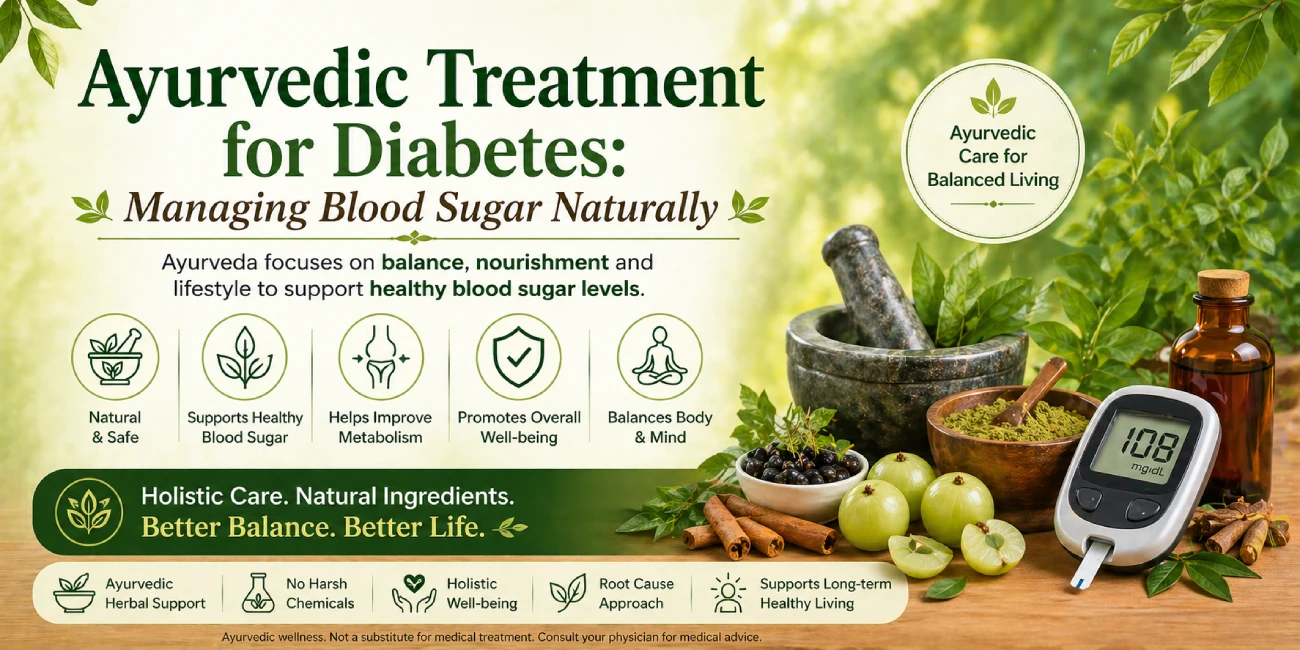
Diabetes mellitus — characterized by chronically elevated blood glucose levels — has reached epidemic proportions globally, with over 537 million adults living with the condition worldwide in 2021, a number projected to rise to 783 million by 2045. Type 2 diabetes, which accounts for approximately 90% of all cases, is a lifestyle-driven metabolic disorder closely linked to insulin resistance, obesity, sedentary living, and poor dietary habits. While conventional medicine manages diabetes through metformin, insulin, and other hypoglycemics, these approaches are largely symptomatic and do not address the underlying metabolic dysfunction.
Ayurvedic treatment for diabetes offers a comprehensive, root-cause approach through the ancient science of Madhumeha management — a detailed framework for metabolic disease described in classical Ayurvedic texts thousands of years before modern medicine defined 'diabetes mellitus'. At Ayush Panchkarma, our diabetes management program combines Panchkarma detoxification, targeted herbal medicines, dietary therapy, and yoga to achieve meaningful improvements in glycemic control and overall metabolic health.
Diabetes as Madhumeha in Ayurveda
Ayurveda describes 20 types of Prameha (urinary disorders involving excessive urination), of which Madhumeha — literally 'honey-like urine' — corresponds most closely to diabetes mellitus. Charaka Samhita (approximately 600 BCE) accurately describes Madhumeha as a condition where the patient passes large quantities of sweet, honey-colored urine, experiences excessive thirst, frequent urination, fatigue, and slow wound healing — symptoms identical to those defining diabetes today.
Two Types of Madhumeha
Ayurveda recognizes two fundamental forms of Madhumeha that parallel Type 1 and Type 2 diabetes: Sahaja Prameha (congenital/inherited, corresponding to Type 1) and Apathyanimittaja Prameha (caused by improper lifestyle and diet, corresponding to Type 2). The management approaches differ significantly between these two forms.
Root Causes of Type 2 Diabetes According to Ayurveda
- Kapha and Meda Dosha vitiation: Excess Kapha accumulation in fat and pancreatic tissues impairs Agni (metabolic fire) at the cellular level, corresponding to insulin resistance
- Medovaha Srotas obstruction: Blockage of the channels carrying fat tissue, resulting in adipose accumulation and metabolic syndrome
- Mandagni (Low digestive fire): Chronic underperforming digestion creates Ama that disrupts glucose metabolism
- Lifestyle factors: Sedentary behavior (Asyasukha), daytime sleeping, excessive sweet/heavy food consumption, and chronic stress are all directly cited in Charaka Samhita as causes of Prameha
Panchkarma Therapies for Diabetes Management
- Udwartana (Dry Herbal Powder Massage): One of the most important therapies for Type 2 diabetes. Vigorous massage with dry herbal powders (Triphala, Trikatu, Vacha) against hair follicle direction stimulates lymphatic drainage, reduces subcutaneous fat, improves peripheral insulin sensitivity, and breaks down Kapha and Meda accumulation. Research has demonstrated improvements in BMI, waist circumference, and insulin resistance markers following Udwartana.
- Virechana (Therapeutic Purgation): Cleanses the liver and small intestine, improving hepatic insulin sensitivity and clearing Ama from the gut. Particularly important for diabetes patients with fatty liver (a common comorbidity).
- Basti (Medicated Enema): Tikta Ksheer Basti (medicated bitter-herb milk enema) is specifically mentioned in classical texts as a treatment for Prameha. It stimulates the colonic environment in ways that improve gut-pancreas axis communication and glucose regulation.
- Abhyanga: Though contra-indicated in pure Kapha-Meda excess, targeted herbal oil massage with Kapha-reducing oils (Mustard oil, Tila Taila with Kapha-pachana herbs) supports peripheral circulation and neuropathy prevention — a critical concern in long-standing diabetes.
Evidence-Based Herbal Medicines for Diabetes
- Vijayasar (Pterocarpus marsupium): Called 'the miracle tree' for diabetes, Vijayasar wood is soaked in water overnight and the infusion drunk every morning. Clinical studies confirm its ability to reduce fasting blood glucose, HbA1c, and lipids while protecting pancreatic beta cells.
- Bitter Gourd (Momordica charantia / Karela): Contains polypeptide-p (plant insulin) and charantin, compounds with documented insulin-sensitizing and glucose-lowering effects. Our physicians prescribe fresh karela juice protocols as part of diabetes management.
- Gurmar (Gymnema sylvestre): Literally meaning 'sugar destroyer', Gymnema blocks sweet taste receptors on the tongue and reduces intestinal glucose absorption. Gymnema's gymnemic acids have been shown to regenerate pancreatic beta cells in animal studies.
- Haritaki (Terminalia chebula): A powerful Tridoshic herb that improves bowel function, reduces Ama, and has been shown to reduce postprandial blood glucose spikes.
- Turmeric (Curcuma longa): Curcumin has been extensively studied for its ability to improve insulin sensitivity, reduce hepatic glucose production, and protect pancreatic beta cells from oxidative damage.
- Methi (Fenugreek / Trigonella foenum-graecum): Fenugreek seeds contain soluble fiber and trigonelline that slow glucose absorption and improve insulin sensitivity. One of the most accessible and well-studied Ayurvedic foods for diabetes.
- Amalaki (Emblica officinalis): The richest natural source of Vitamin C, Amalaki reduces oxidative stress-mediated diabetes complications, improves Agni, and supports pancreatic function.
The Ayurvedic Diet for Diabetes (Pathya)
Dietary discipline (Pathya) is non-negotiable in Ayurvedic diabetes management. Our nutritionists design personalized meal plans that naturally regulate blood glucose through food quality, timing, and combination:
- Prioritize: Bitter, astringent, and pungent tastes (all reduce Kapha and Meda); old rice, barley, jowar, ragi; lentils and pulses (especially horse gram, green gram); leafy greens; fenugreek-enriched dishes
- Avoid: Refined sugars and carbohydrates; white rice, maida products; sweet fruits (mangoes, bananas, grapes); fried foods; cold beverages; daytime sleeping after meals
- Meal timing: Regular meal times maintain circadian metabolic rhythms. The classical advice to eat the largest meal at midday (when digestive fire is strongest) aligns perfectly with modern chrononutrition research on glycemic regulation.
Yoga and Exercise for Diabetes
Exercise is both an Ayurvedic recommendation (Vyayama) and a scientifically validated intervention for improving insulin sensitivity. Our diabetes program includes daily yoga practice with specific emphasis on twisting poses (Ardha Matsyendrasana, Parivrtta Trikonasana) that stimulate pancreatic function, Pranayama (Kapalbhati, Bhastrika) that improves metabolic rate, and walking programs tailored to patient fitness levels.
Expected Outcomes
Our diabetes patients typically experience: 10-30% reduction in fasting blood glucose within 3-4 weeks, meaningful improvements in HbA1c over 3-6 months, reduced medication requirements (under physician supervision), significant weight loss and waist circumference reduction, improved energy levels and reduced fatigue, better sleep quality, and prevention of diabetes complications. Results are most pronounced in early Type 2 diabetes and pre-diabetes — though even long-standing diabetes patients see meaningful quality-of-life improvements.
Conclusion
Ayurvedic treatment for diabetes is not a replacement for modern medical care but a powerful complement that addresses the metabolic roots of Type 2 diabetes in ways that medication alone cannot. By improving insulin sensitivity, restoring digestive health, reducing inflammatory Ama, and equipping patients with sustainable lifestyle practices, Ayurveda creates the conditions for genuine metabolic reversal. At Ayush Panchkarma in the Himalayas, we invite you to begin this transformative journey toward metabolic health.