
Book Your Consultation Ready to experience authentic Himalayan Ayurveda? Contact Ayush Panchkarma to begin your personalized treatment journey. Located in Gopalpur, Palampur, Himachal Pradesh — in the pristine foothills of the Himalayas. Website: ayushpanchkarma.com | Email: doctor@ayushpanchkarma.com | WhatsApp: +91-8894356919
What is Peripheral Vascular Disease?
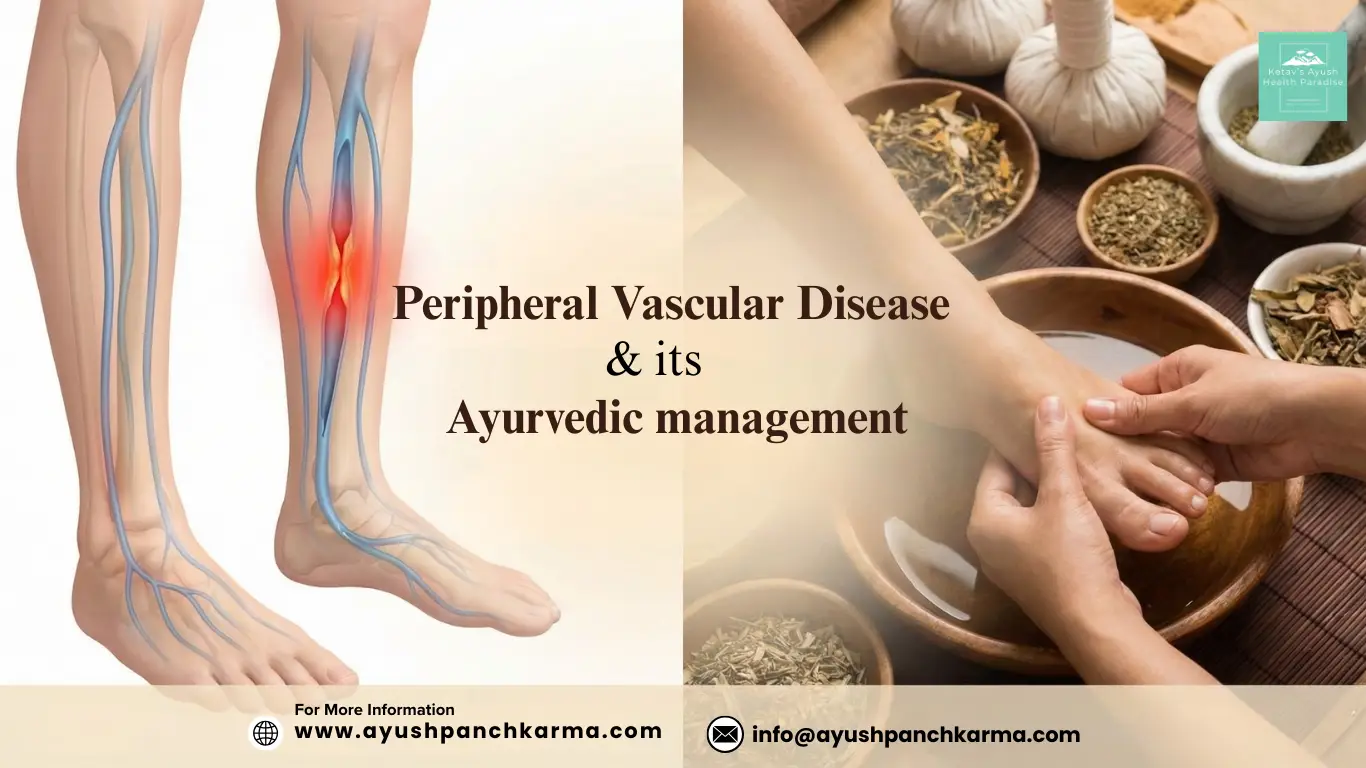
Peripheral Vascular Disease (PVD), also called Peripheral Artery Disease (PAD), occurs when compromised blood circulation restricts the flow of oxygen-rich blood to the limbs. This reduced circulation leads to a characteristic symptom known as claudication — pain or cramping in the legs while walking that gets better with rest.
Claudication, whether intermittent or progressive, is the most common early warning sign of compromised peripheral circulation. When circulatory compromise persists over prolonged periods, it can lead to visible physical signs such as muscular and dermal atrophy, skin discolouration, and atrophic nail changes in the affected limb.
If you are experiencing these symptoms, our specialised treatments at Ayush Panchkarma can help you manage and slow the progression of this condition naturally.
Causes of Peripheral Vascular Disease
Peripheral Vascular Disease develops when the arteries of the limbs become occluded (blocked). Atherosclerosis — the build-up of fatty plaques inside arterial walls — is considered the single most common cause of PVD worldwide.
Risk Factors for Peripheral Artery Disease
The following risk factors can trigger or worsen peripheral artery disease:
- Age above 50 years
- Smoking (one of the strongest modifiable risk factors)
- Obesity and sedentary lifestyle
- Diabetes and blood sugar imbalances
- High blood pressure (hypertension)
- High cholesterol (hyperlipidaemia)
- Family history of cardiovascular disease
- Chronic inflammation of blood vessels
- Unhealthy dietary habits
Managing these risk factors through Ayurvedic diet and lifestyle guidance is a core part of our Panchakarma retreat programmes at Ayush Panchkarma.
Signs and Symptoms of Peripheral Artery Disease
Atherosclerotic plaques restrict blood flow to peripheral tissues, causing ischaemia (oxygen starvation) that manifests as:
- Rest pain in the feet and legs
- Cold sensation in the limbs
- Decreased or absent distal pulse
- Numbness, tingling, or weakness in the limb
- Skin discolouration (pallor, cyanosis, or redness)
- Non-healing ulcers due to poor circulation
Early intervention through Ayurvedic Panchakarma therapy can help prevent the progression to severe complications such as non-healing wounds or limb loss.
Ayurvedic View of Peripheral Vascular Disease
The human body, according to Ayurveda, maintains a natural equilibrium between four fundamental elements:
- Doshas (biological energies): Vata, Pitta, and Kapha
- Dhatus (tissues, organs, and organ systems)
- Agni (digestive fire and metabolic intelligence)
- Malas (metabolic waste products and toxins)
When this balance is disturbed — by poor diet, sedentary habits, stress, or advancing age — aggravated Doshas produce Ama (toxic metabolic waste). This Ama then vitiates the tissues, particularly the blood vessels, contributing to the formation of atherosclerotic plaques. This causes narrowing of the vessels, reduces blood flow to the extremities, and results in PVD.
This ancient understanding aligns remarkably well with modern science's explanation of atherosclerosis and chronic inflammation as root drivers of peripheral vascular disease.
Learn more about how we diagnose your individual constitution through Nadi Pariksha (Pulse Diagnosis) at our centre.
Ayurvedic Management of Peripheral Vascular Disease with Panchakarma
Every patient at Ayush Panchkarma is treated according to their individual Prakriti (body constitution), the root cause of disease, disease severity, and coexisting health conditions. There is no one-size-fits-all approach — this is the strength of classical Ayurveda.
The primary goals of Ayurvedic treatment for PVD are:
- Improving blood supply to the extremities
- Preventing further cell and tissue damage
- Slowing or halting disease progression
Panchakarma Therapies for PVD
Our classical Panchakarma treatments — including Vamana, Virechana, Basti, Nasya, and Raktamokshana — work as powerful Ayurvedic detoxification therapies to cleanse Ama from the channels and restore healthy circulation.
Ayurvedic Rasayana Therapy
Following the cleansing phase, Rasayana (rejuvenation) therapy helps improve the elasticity and integrity of blood vessels. While this is a gradual process, consistent Rasayana therapy — combined with removal of causative factors — can significantly improve vascular health and quality of life over time.
Explore our Rasayana and Bajikama treatment programmes for more details.
Yoga, Pranayama & Lifestyle Modification
Therapeutic yoga and breathing exercises (Pranayama) play a powerful supporting role in improving circulation, reducing oxidative stress, and managing risk factors like high blood pressure and obesity. Our customised yoga and meditation healing programmes are integrated into every treatment plan.
Diet and lifestyle modification — avoiding processed foods, managing body weight, quitting smoking, and following a Prakriti-specific therapeutic diet — form the foundation of long-term recovery.
Our 21-Day Ayurvedic Treatment Programme for PVD
At Ketav's Ayush Health Paradise, Palampur, we have designed a structured 21-day Panchakarma therapy plan specifically for patients with Peripheral Vascular Disease and related circulatory disorders.
This programme includes:
- In-depth Prakriti assessment and Nadi Pariksha
- Customised classical Panchakarma detoxification therapies
- Specialised Ayurvedic oral formulations (herbal medicines)
- Rasayana rejuvenation therapies post-cleansing
- Personalised diet and lifestyle guidance
- Yoga, Pranayama, and meditation sessions daily
Our serene location in Palampur, Himachal Pradesh, nestled amidst tea gardens and the Dhauladhar mountain range, provides the ideal healing environment for recovery and rejuvenation. Explore our homestay facility for extended programme stays.
Why Choose Ayush Panchkarma for Vascular Health?
- 25+ years of clinical expertise in classical Panchakarma
- Led by Dr. Seema Santoshi, with experience treating complex chronic cases from India, Canada, Europe, and the USA
- Authentic protocols from Charaka Samhita and Sushruta Samhita — not a spa experience
- 100% natural products and Prakriti-based therapeutic meals prepared in-house
- 98% patient satisfaction rate
Book a free consultation today and take the first step toward naturally improving your circulation and vascular health.
Related reading: Ayurvedic Treatment for Thyroid Disorders | Ayurvedic Treatment for Anxiety and Depression | Ayurvedic Treatment for Migraine and Chronic Headaches