
📞 Book a consultation with our Ayurvedic specialists at Ayush Panchkarma — located in the heart of the Himalayas, Palampur, Himachal Pradesh. Website: ayushpanchkarma.com | Email: doctor@ayushpanchkarma.com
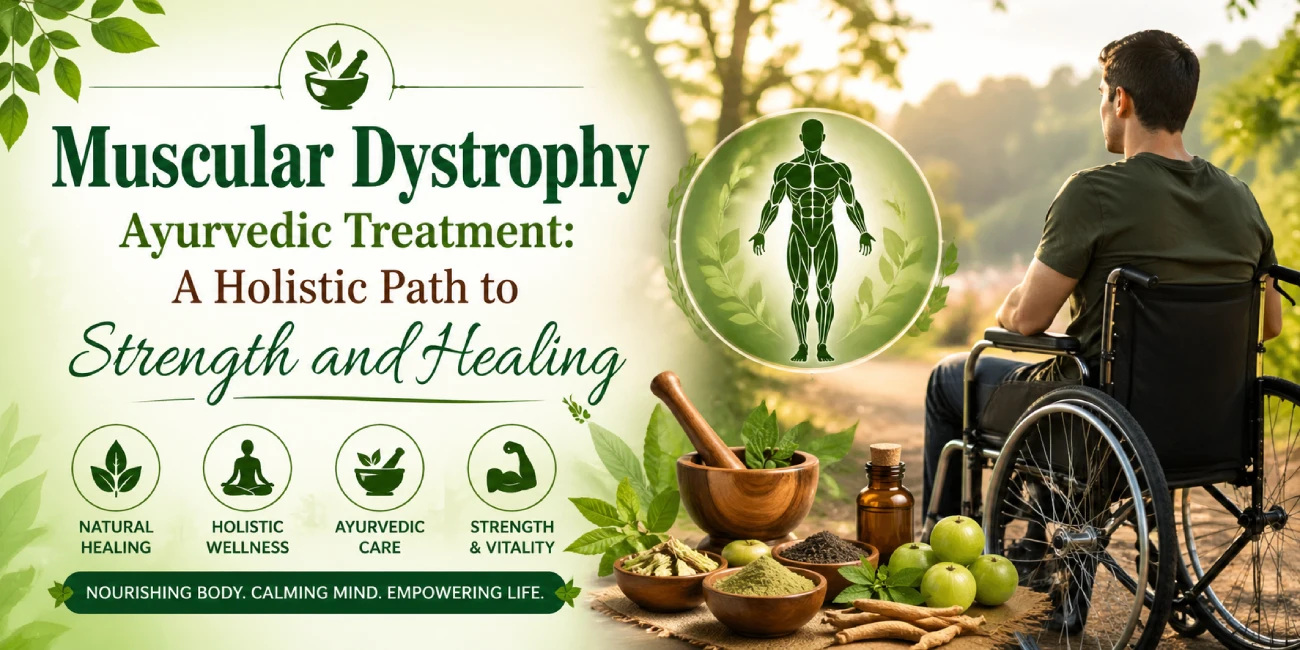
Muscular dystrophy (MD) is a group of inherited genetic disorders characterized by progressive muscle weakness, degeneration, and loss of muscle mass. Affecting millions globally, conventional medicine currently offers no definitive cure — only symptomatic management through physiotherapy, corticosteroids, and assistive devices. However, an increasing number of families are turning to Ayurvedic treatment for muscular dystrophy as a complementary or primary approach to slow disease progression and improve quality of life.
At Ayush Panchkarma, nestled in the pristine foothills of the Himalayas in Himachal Pradesh, we have been working with patients diagnosed with various forms of muscular dystrophy — Duchenne, Becker, Limb-girdle, and Facioscapulohumeral — providing personalized Panchkarma therapies backed by classical Ayurvedic science.
Understanding Muscular Dystrophy Through an Ayurvedic Lens
In Ayurveda, muscular dystrophy correlates closely with a condition called 'Mamsa Kshaya' — depletion of the muscle tissue (Mamsa Dhatu) — combined with an aggravated Vata dosha. The Vata dosha governs all movement, nerve impulses, and cellular communication in the body. When Vata becomes severely deranged, it disturbs the nourishment of deeper tissues including muscle, nerve sheaths, and bone marrow.
Ayurvedic texts describe a condition called 'Vata Vyadhi' (neurological and musculoskeletal disorders caused by Vata imbalance) which encompasses symptoms closely mirroring MD — progressive wasting, muscle rigidity, tremors, and weakness. The Charaka Samhita explicitly mentions protocols for Mamsa Kshaya that involve oleation (snehana), sweating therapy (swedana), and rejuvenative treatments (rasayana) — the cornerstone of our treatment protocols.
Root Causes of Muscular Dystrophy According to Ayurveda
1. Beeja Dosha (Genetic Predisposition)
Ayurveda recognizes hereditary diseases through the concept of Beeja Dosha — defects in the reproductive seed (sperm or ovum). Classical texts like Ashtanga Hridayam describe congenital disorders arising from imbalanced doshas in the parental seed, directly corresponding to the genetic mutation basis of muscular dystrophy.
2. Vata Aggravation
Improper dietary habits, emotional stress, excessive physical exertion, cold and dry environments, and irregular sleep patterns all aggravate Vata dosha. Chronic Vata imbalance depletes Mamsa dhatu (muscle tissue), Meda dhatu (fat tissue), and Asthi dhatu (bone tissue) progressively.
3. Agni Dysfunction
A weakened digestive fire (Agni) prevents the proper conversion of food into nourishing tissues. This leads to the accumulation of metabolic waste products (Ama) that block the channels (Srotas) supplying nutrition to muscle cells.
Ayurvedic Treatment Protocols for Muscular Dystrophy
Panchkarma Therapies
Panchkarma — the five classical purification therapies — forms the foundation of our muscular dystrophy treatment program. These therapies work at the deepest tissue levels, clearing blockages and enabling nutrients to reach deprived muscle cells.
- Abhyanga (Medicated Oil Massage): Daily full-body massage using warm medicinal oils such as Mahanarayan Taila, Bala Taila, and Ksheerabala Taila. These oils penetrate deep into the muscle and nerve tissue, nourishing, strengthening, and reducing the rate of degeneration. Abhyanga calms aggravated Vata and improves local circulation.
- Shastika Shali Pinda Sweda (Navarakizhi): A unique Keraliya therapy where boluses of specially cooked Njavara rice — boiled in a medicated milk-herb decoction — are applied rhythmically over the entire body. This therapy is scientifically validated for its ability to build muscle bulk, improve strength, and reduce wasting. It is considered one of the most potent Brinhana (nourishing) therapies in Ayurveda.
- Matra Basti (Medicated Oil Enema): Small-dose medicated oil enemas administered daily. Basti is hailed as the most effective treatment for Vata disorders in classical Ayurvedic texts. The rectal mucosa absorbs the medicinal oils and ghee, which then nourish the entire nervous system and deeper body tissues.
- Kashaya Basti (Herbal Decoction Enema): Alternated with Matra Basti, Kashaya Basti delivers a combination of herbal decoctions, oils, and honey rectally. This dual Basti protocol — known as Yoga Basti — is specifically indicated for Mamsa Kshaya and Vata disorders affecting muscles and nerves.
- Shirodhara: Continuous pouring of warm medicated oil or milk decoctions over the forehead. This therapy deeply calms the nervous system, reduces cortisol levels, and improves sleep quality — all of which support muscle regeneration.
- Pizhichil (Oil Bath): Warm medicated oils are poured continuously over the entire body while therapists simultaneously perform a gentle synchronized massage. Known as the 'Royal Treatment', Pizhichil is exceptionally effective for muscular wasting and weakness.
Internal Herbal Medicines
Our Ayurvedic physicians prescribe individually formulated herbal protocols based on the patient's dosha constitution, disease stage, and digestive capacity. Commonly used herbal preparations include:
- Ashwagandha (Withania somnifera): A premier adaptogenic herb with scientifically documented muscle-building and neuroprotective properties. Ashwagandha increases muscle mass, strength, and recovery while reducing cortisol and inflammation.
- Bala (Sida cordifolia): A classical Ayurvedic herb specifically mentioned for strengthening muscles and nerves. It nourishes Mamsa and Majja dhatus (muscle and marrow tissues).
- Shatavari (Asparagus racemosus): A powerful Rasayana herb that supports tissue anabolism, improves protein metabolism, and acts as a general tonic for all tissues.
- Guduchi (Tinospora cordifolia): Enhances immunity, reduces inflammation, and supports cellular regeneration.
- Amalaki (Emblica officinalis): Rich in Vitamin C and antioxidants, Amalaki supports collagen synthesis, protects muscle cells from oxidative damage, and enhances Ojas (vital essence).
- Dashamula (Ten-root formula): A classical anti-Vata formula that relieves pain, improves nerve conduction, and reduces muscle spasms.
Rasayana Therapy (Rejuvenation)
Rasayana — the Ayurvedic science of rejuvenation — is essential in muscular dystrophy management. After Panchkarma cleanses the body of toxins and restores channel patency, Rasayana medicines deeply nourish and rebuild depleted tissues. Classical Rasayana formulations like Chyawanprash, Brahma Rasayana, and Ashtavarga preparations are used to reverse tissue depletion and slow disease progression.
Dietary Guidelines (Ahara) for Muscular Dystrophy
Diet plays a critical role in muscular dystrophy management. Our nutritionists prescribe a Vata-pacifying, muscle-nourishing diet customized to each patient:
- Favor warm, moist, and easily digestible foods like khichdi, well-cooked lentils, and warm soups
- Include healthy fats: pure cow ghee, sesame oil, and coconut oil promote Vata balance and tissue nourishment
- Consume protein-rich foods: urad dal (black gram), milk, paneer, and meat soups support muscle protein synthesis
- Avoid cold, dry, raw, and processed foods that aggravate Vata
- Use warming spices: ginger, turmeric, cumin, and black pepper improve digestion and circulation
- Follow regular meal timings to maintain Agni (digestive fire)
Yoga and Physiotherapy Integration
At Ayush Panchkarma, our treatment for muscular dystrophy integrates Ayurveda with gentle therapeutic yoga and physiotherapy. Specific asanas — Shavasana, Pavanamuktasana, gentle Surya Namaskar modifications — maintain joint mobility, improve circulation, and prevent contractures. Our yoga therapists design programs appropriate to each patient's functional capacity and disease stage.
Expected Outcomes and Patient Experiences
While Ayurvedic treatment does not claim to reverse the genetic mutation underlying muscular dystrophy, our patients consistently report meaningful improvements including: reduced rate of muscle deterioration, improved muscle tone and functional strength, better energy levels and reduced fatigue, improved sleep and appetite, reduced spasms and pain, and enhanced overall quality of life. Several patients with early-stage Duchenne and Becker MD have maintained independent ambulation for significantly longer periods compared to standard medical projections.
Why Choose Ayush Panchkarma for Muscular Dystrophy Treatment?
Located in Gopalpur, Palampur — a pristine mountain village in Kangra district, Himachal Pradesh — Ayush Panchkarma offers an unparalleled healing environment. The clean Himalayan air, pristine water, and serene natural surroundings actively support recovery. Our team of qualified BAMS and MD Ayurveda physicians, experienced Panchkarma therapists, yoga instructors, and nutritionists provide coordinated, individualized care. We offer both inpatient residential programs and structured outpatient protocols designed to fit patient needs.
Conclusion
Ayurvedic treatment for muscular dystrophy offers a scientifically grounded, compassionate, and holistic approach to a condition that conventional medicine struggles to address. By addressing root-level Vata imbalance, nourishing depleted muscle tissues, clearing metabolic toxins, and rebuilding vital essence through Rasayana, Ayurveda creates conditions where the body can slow degeneration and maximize functional capacity. At Ayush Panchkarma, we are committed to walking this healing journey with every patient and family who entrusts us with their care.